Alternative and indie music have played a major role in shaping modern music culture. Originally created outside of the commercial music industry, these genres became symbols of individuality, rebellion and creativity. Over time, alternative and indie music evolved from underground scenes into globally influential styles that continue to affect fashion, social attitudes, and the music, alongside important artists from both older and modern eras, it becomes clear how these genres reflect social change across generations.
The term “alternative music” first became popular during the 1980’s to describe music that existed outside mainstream pop and rock. It included a wide range of sounds, but most alternative artists shared a rejection of commercial formulas. Earlier influences can be traced back to 1970’s punk rock, where bands such as The Clash and Sex Pistols, challenged authority and traditional music industries through aggressive music and anti-establishment messages. Punk created the “do-it-yourself” (DIY) culture that later became central to indie music, encouraging artists to record independently and promote themselves without major record labels.
During the 1980’s, alternative music expanded into different styles including post-punk, gothic rock, and college rock. Bands such as The Smiths, became highly influential. Their music focused on on emotional lyrics, social isolation, and identity, which connected strongly with young audiences. The Cure, and R.E.M also helped define the alternative sound with introspective songwriting and experimental production. Unlike mainstream pop music of the time, alternative artists often explored darker or more personal themes, helping listeners feel represented in ways commercial music rarely offered.
The rise of indie music is closely connected to independent record labels. “Indie” originally referred to artists signed to independent labels rather than major corporations. Labels such as Factory Records and Sub Pop became important in promoting underground artists. Independent labels allowed musicians greater creative freedom, meaning they could experiment with sound and image without commercial pressure. This independence became part of indie culture itself, where authenticity and artistic expression were valued over fame or profit.
In the 1990’s, alternative music entered mainstream culture through the explosion of grunge and Britpop. Grunge emerged from Seattle in the United States and combined heavy guitar sounds with emotional lyrics about depression, alienation, and frustration. Nirvana, became the defining band of the moment, especially after the release of their album Neverminded in 1991. Lead singer Kurt Cobain became an icon for disaffected youth. Songs such as “Smells Like Teen Spirit” rejected the glamour of 1980’s pop culture and reflected generation X anxieties.
At the same time in the UK, Britpop offered a different version of alternative music. Bands such as Oasis and Blur focused on British identity, everyday life, and catchy guitar music. Britpop reflected 1990’s optimism and working-class culture, contrasting with the darker themes of American grunge. The rivalry between Oasis and Blur also demonstrated how media industries use competition and celebrity culture to increase public interest and music sales.
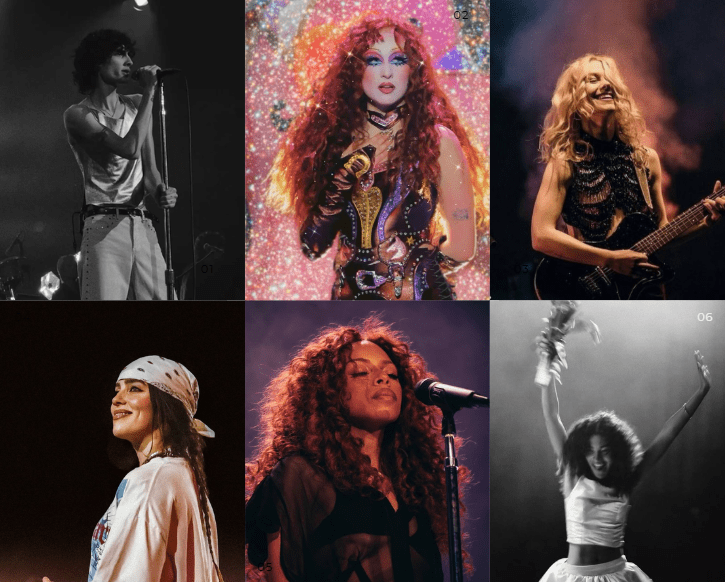
Modern indie and alternative music continues to evolve by mixing genres and exploring diverse themes. Artists such as Phoebe Bridgers, Billie Eillish, Sombr and Chappel Roan combine indie influences with pop, electronic, and experimental music. Billie Eillish, for example, uses minimalist production and dark visuals that reflect alternative aesthetics while achieving huge mainstream success. This demonstrates how alternative culture has become integrated into popular media while still maintaining themes of individuality and emotional honesty.
Social media platforms such as TikTok, YouTube, and Spotify have also changed how indie artists build audiences. Unlike older musicians who relied on radio and television exposure, modern artists can become successful through viral trends and streaming algorithms. However, some critics argue that indie music has become more commercialised, losing some of the underground identity that originally defined it. Despite this, the genre still offers opportunities for experimentation and self-expression that appeal strongly to younger audiences.


Leave a comment